
How Often Should You Wash Your House Exterior?
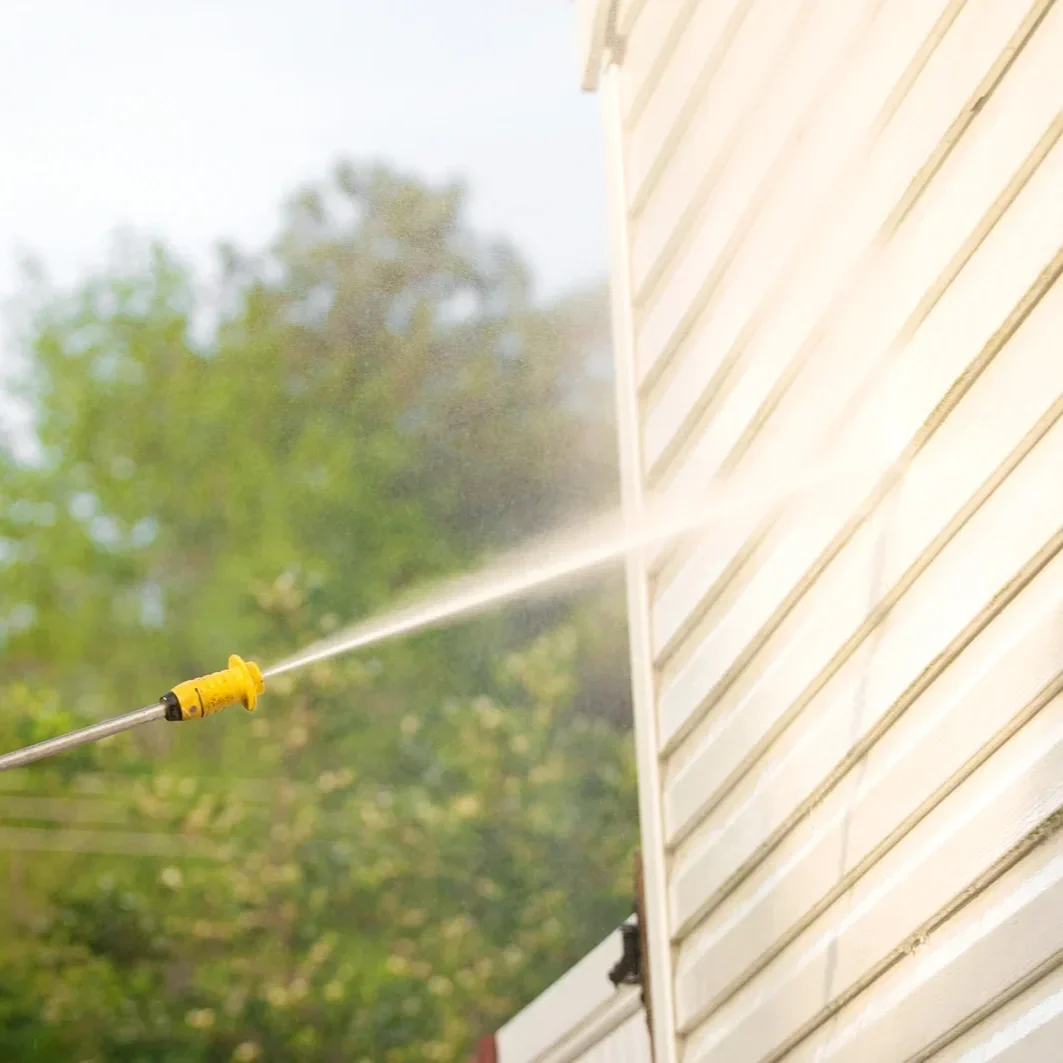
Quick Answer: As a general guideline, a house exterior should be washed about once a year to keep it clean and protect the surfaces. But the right frequency depends on your situation: homes in humid climates, surrounded by trees, or in areas prone to algae, mold, and mildew may need washing more often, while homes in drier, less growth-prone conditions can go longer. Signs your home needs washing include visible dirt, grime, algae or mold growth, green or black stains, and a generally dingy appearance. Regular washing isn't just cosmetic — it removes the algae, mold, and grime that can degrade surfaces over time, protecting your home's exterior and curb appeal. Watch the condition and adjust the schedule to your home.
Keeping your home's exterior clean does more than boost curb appeal — it protects the surfaces from the buildup that can degrade them. But how often should you actually wash it? There's a general guideline, but the right frequency depends on your home's environment and conditions. Understanding what affects it helps you keep your home clean and protected on the right schedule. Here's what to know.
The General Guideline
A common recommendation is to wash your house exterior about once a year. This annual schedule keeps the home clean, removes the dirt and grime that accumulates over the seasons, and helps protect the surfaces. For many homes, an annual wash is a sensible baseline that maintains both appearance and protection. But it's a guideline, not a rule, because how quickly a home gets dirty or develops growth varies with its environment. Some homes need washing more often than once a year; others can go longer. So, once a year is the starting point, with the right frequency for your home depending on the factors below.
What Makes Some Homes Need It More Often
Several conditions cause a home's exterior to get dirty or develop growth faster, calling for more frequent washing. A humid climate promotes the growth of algae, mold, and mildew on exterior surfaces, so homes in humid areas often need washing more often. Homes surrounded by trees deal with more shade, moisture, pollen, sap, and debris, which contribute to growth and grime. And areas generally prone to algae, mold, and mildew see faster buildup on home exteriors. So a home in a humid, tree-shaded, growth-prone environment will likely need washing more frequently than once a year, while a home in a drier, sunnier, less growth-prone setting can often go longer. Your local climate and surroundings are the biggest factors.
| Factor | Wash more often | Can go longer |
|---|---|---|
| Climate | Humid | Drier |
| Surroundings | Lots of trees, shade | Open, sunny |
| Growth-prone area | Algae/mold/mildew common | Less growth |
| Visible buildup | Dirt, stains, growth showing | Stays clean |
Watch the Signs, Not Just the Calendar
Rather than relying strictly on a schedule, it's smart to watch your home's condition for signs it needs washing. Visible dirt and grime accumulating on the surfaces, algae or mold growth, green or black stains appearing (on the roof, siding, or other surfaces), and a generally dingy, dull appearance all indicate the exterior is due for a cleaning. When you notice these signs, it's time to wash, regardless of how long it's been. Conversely, if the home still looks clean and free of growth, it may not need washing as soon. So letting the actual condition guide you — using the once-a-year guideline as a default but adjusting based on what you see — is the most practical approach. The signs tell you when your particular home needs attention. Combining the calendar default with a quick visual check each season gives you the best of both — a routine to fall back on and a real read on what your home actually needs.
Why Regular Washing Matters
Washing your home's exterior isn't purely cosmetic — it protects the surfaces. Algae, mold, mildew, and grime that accumulate on exterior surfaces can, over time, degrade or damage them and detract from the home's appearance. Regular washing removes this buildup before it causes problems, protecting the surfaces and maintaining curb appeal. For example, algae and growth left on a roof or siding can contribute to deterioration, so removing them helps the surfaces last. So keeping up with washing on a sensible schedule both keeps your home looking good and helps protect your investment in the exterior. Maintenance pays off in appearance and longevity, which is why the right frequency — adjusted to your home's conditions — is worth getting right. Spending a little on regular cleaning is almost always cheaper than dealing with surfaces that have been allowed to stain, grow over, or degrade from years of neglect.
Walk around your home a couple of times a year and look at the surfaces, especially shaded, north-facing, and tree-covered areas where growth starts first. Spotting early algae, green or black stains, or dinginess in those spots tells you it's time to wash — often before the rest of the home looks dirty.
Frequently Asked Questions
As a general guideline, about once a year, keep it clean and protect the surfaces. But the right frequency depends on your situation — homes in humid climates, surrounded by trees, or in algae- and mold-prone areas may need it more often, while homes in drier, less growth-prone conditions can go longer. Watching for signs like dirt, growth, and stains, and adjusting from the yearly baseline, is the practical approach.
Conditions that cause faster dirt or growth: a humid climate (which promotes algae, mold, and mildew), surroundings with lots of trees (more shade, moisture, pollen, sap, and debris), and areas generally prone to algae and mildew. A home in a humid, tree-shaded, growth-prone environment will likely need washing more than once a year, while a home in a drier, sunnier setting can often go longer.
Visible dirt and grime on the surfaces, algae or mold growth, green or black stains appearing on the roof or siding, and a generally dingy, dull appearance all indicate the exterior is due for cleaning. When you notice these signs, it's time to wash regardless of the schedule. If the home still looks clean and free of growth, it may not need washing as soon.
No, it also protects the surfaces. Algae, mold, mildew, and grime that accumulate on exterior surfaces can degrade or damage them over time and detract from appearance. Regular washing removes this buildup before it causes problems, protecting the surfaces and maintaining curb appeal. So it's maintenance that benefits both how the home looks and how long the exterior surfaces last.
Both — use the once-a-year guideline as a default, but watch your home's condition and adjust. If you see dirt, growth, or stains before a year is up, wash sooner; if it still looks clean, you may be able to wait. Letting the actual condition guide you, with the yearly baseline as a starting point, is the most practical way to keep your home clean and protected.
Yes, typically. Humid climates promote the growth of algae, mold, and mildew on exterior surfaces, so homes in humid areas often develop growth faster and need washing more often than the once-a-year guideline. Combined with tree cover and shade, humidity is one of the biggest factors that increase how frequently a home's exterior needs cleaning to stay clean and protected.
Wash on the Right Schedule for Your Home
A house exterior generally needs washing about once a year, but homes in humid, tree-shaded, or growth-prone environments often need it more often, while drier homes can go longer. Watch for the signs — dirt, algae or mold growth, green or black stains, and a dingy look — and adjust the schedule to your home's conditions. Regular washing isn't just about curb appeal; it removes the buildup that can degrade surfaces, protecting your home's exterior over time.
Home exterior looking dingy or showing growth? — Get it professionally washed to keep it clean and protected. Superior Power Washing serves Waldorf, La Plata, Clinton. Call (240) 901-4252.
