
Storm Cleanup for Your Home's Exterior: Where to Start
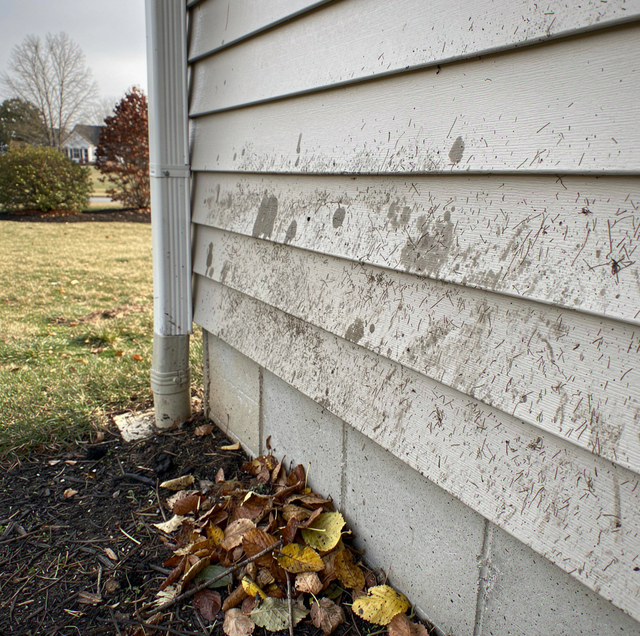
The wind dies down, the sky clears, and the yard is a mess of leaves, small branches, and a layer of grit that seems to have coated every surface facing the storm. What's easy to miss in that first walk-around is that the damage isn't finished. Wind-driven rain forces pollen, dirt, and organic debris into the pores of siding and shingles, and once the sun comes back out, that trapped moisture becomes the starting point for a mold or algae bloom, one that can begin establishing within a few days and is well underway if surfaces sit untreated for a week.
Why Storm Debris Does More Than Look Bad
A heavy storm doesn't just deposit leaves and twigs on the ground; it drives fine silt and organic matter directly into exterior surfaces at an angle no gentle rain manages. Vinyl and fiber-cement siding both have a slightly textured surface that catches this material, and once it's lodged there, ordinary rain isn't enough to rinse it back out. Gutters take a double hit during a storm: they're flooded with far more water than usual at the same time they're catching a surge of leaves and branch debris, which is exactly the combination that overwhelms a system that was handling normal rainfall just fine the week before.
What to Check in the First Few Days After a Storm
Time matters here mostly because of what happens biologically, not because the storm debris itself is racing to cause damage. Organic material left wet against siding, decking, or roofing gives mold and algae spores a head start, and that head start is much easier to prevent than to reverse once a colony has established.
- Clear gutters and downspouts first: A storm-clogged gutter left full of wet leaves is both a weight problem for the hangers and a source of overflow that will streak siding every time it rains again before it's addressed.
- Check for standing debris against the foundation or siding base: Leaves and mulch pushed up against the wall by wind or runoff trap moisture right where you don't want it sitting.
- Look at shaded and low-airflow sections of siding and decking: These areas dry slowest after a storm and are where mold and algae are most likely to take hold first.
- Note any silt or grit film on windows and screens: Wind-driven debris often coats glass and screening in a way that a regular rinse won't fully clear.
- Walk the roofline for displaced granules or debris caught in valleys: Roof valleys funnel extra water during a storm and are a common spot for branches and leaf mats to lodge.
- Rinse and treat affected surfaces before the moisture has a chance to set up a growth cycle: A soft wash removes trapped grit and any early biological growth without the aggressive pressure that can force water behind siding seams or lift shingle edges.
Why Soft Washing Is the Right Tool for Storm Damage
Storm-battered siding and roofing have already taken on stress from wind and impacts, making them poor candidates for high-pressure cleaning. A soft wash uses a cleaning solution to break down trapped grit, pollen, and early mold growth at a lower pressure that won't drive water behind loose or storm-stressed siding panels or force moisture up under shingle tabs. This matters most on roofs, where high pressure can strip protective granules and shorten the life of shingles that a storm may have already loosened.
The Gutter-and-Overflow Cycle After a Storm
A single storm can leave a gutter carrying several times its normal debris load, and that extra weight often reveals a hanger or seam that was already borderline before the storm hit. If overflow starts streaking the siding below a section of gutter after a storm, that's usually a sign of a blockage rather than a new leak, and it's worth clearing before assuming a repair is needed. Left unaddressed, the same overflow pattern repeats with every subsequent rain, deepening the stain each time.
Walking Surfaces Need a Second Look Too
Decking, patios, and pool surrounds pick up the same silt and pollen load as siding during a storm, but they carry an added risk: a thin film of wet debris on a horizontal surface is far more slippery underfoot than the same film on a vertical wall. Storm debris that settles into the grain of a wood deck or the pores of a concrete patio doesn't just look messy; it changes the surface's traction until it's rinsed away. Fallen branches and torn leaf litter can also hide uneven footing on a patio or walkway, so a visual check of these areas before anyone walks them barefoot or in wet shoes is worth doing alongside the rest of the cleanup. Pool decks, in particular, tend to collect more storm debris than they appear to at first glance, since wind pushes leaves and grit toward the pool's edge, where they settle into expansion joints and coping.
When Storm Grime Turns Into a Bigger Problem
Left in place, storm residue doesn't stay static; it becomes the seed layer for the kind of algae and mold staining that's much harder to remove once it's established than the original grit ever was. Black streaking on a roof, dark mottling on shaded siding, and slick green film on walkways all trace back to organic material that had a few days of trapped moisture to work with. Addressing the surfaces within the first week after a storm is far easier than waiting until a full growth cycle has set in.
Frequently Asked Questions
Ideally within a week, since that's roughly the window before trapped organic debris and moisture can develop into a visible mold or algae colony on siding, decking, or roofing.
Yes, wind-driven impact from branches or hail can lift siding panels slightly at the seams, and once a seam is loosened, wind-driven rain can more easily find its way behind the panel during the next storm.
Beyond hangers and seams, a post-storm check also means running water through each downspout rather than just glancing at the gutter run, since a branch fragment or shingle piece lodged at an elbow can block flow even when the trough itself looks clear from the ground. Seam separation is also easiest to catch right in the storm's aftermath, since a still-damp gutter shows a fresh drip line at a failing joint that dries and becomes harder to spot within a day or two.
As a general estimate, shaded siding and decking can take two to three times as long to dry after a storm as sun-exposed sections, giving mold and algae spores a longer window to establish before the surface fully dries out.
Yes, and it's worth checking both sides of the glass, since wind-driven storms also push grit into window screens and tracks that a straight glass wipe never touches, and that trapped grit works its way back onto the pane after the next rain if the screen itself isn't rinsed too. One way to tell storm film from ordinary hard-water spotting is texture: gritty film feels slightly rough when you run a finger across the dry glass, while mineral spotting feels smooth.
Routine cleaning addresses gradual buildup like pollen film and everyday grime, while storm cleanup targets a sudden, concentrated load of debris and moisture that arrived all at once and needs attention on a shorter timeline before it sets up a growth cycle.
Storms leave more behind than what's visible from the driveway. The debris and moisture packed into siding, gutters, and roofing after a storm are working against your home from the moment the rain stops, and getting ahead of that window is what keeps a mess from turning into a stain that won't rinse out.
Schedule storm cleanup — clear trapped debris and moisture before mold or algae can take hold. Superior Power Washing serves Waldorf, La Plata, and Clinton. Call (240) 901-4252.
