
Clean Concrete: The Overlooked Fix for a Safer Property
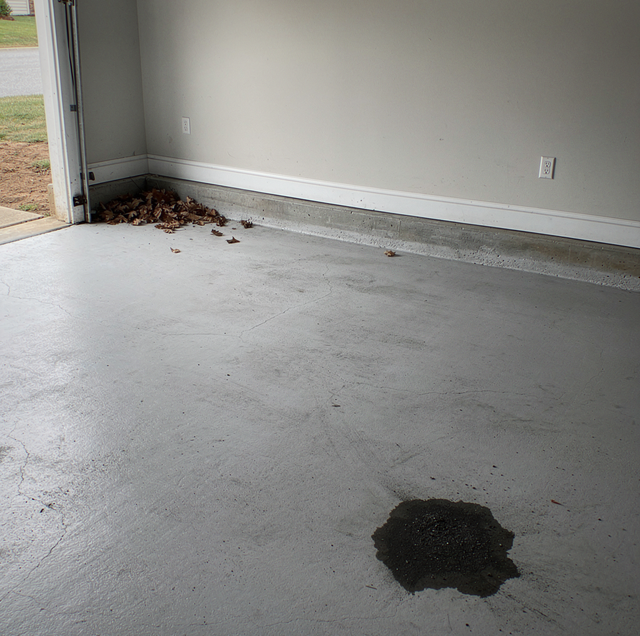
Not every dirty-looking driveway is actually the problem, and not every problem driveway looks dirty. Some concrete is contaminated: a thin biological film or a patch of oil residue that changes how the surface behaves underfoot long before it changes how the surface looks. The distinction matters, because the two situations call for different fixes. Mistake one for the other and you either waste a pressure washer on a stain it can't touch, or ignore a slip hazard because the concrete still "looks fine" from the porch.
Why Concrete Gets Slippery Before It Looks Dirty
Concrete is porous by nature, full of microscopic voids left behind when the water in the original mix evaporated during curing. Those pores collect moisture, pollen, and airborne organic matter, and in shaded or low-traffic areas, that combination is exactly what algae and moss need to establish. A thin algae film can develop weeks before it's visible as green or black discoloration, and that film is measurably more slippery when wet than bare concrete, which is why a driveway or walkway can feel unsafe on a rainy morning even though it "looks fine."
Oil and grease stains create a different hazard. Petroleum residue doesn't just sit on top; it breaks down the surface tension of water, so rain beads and sheets differently across an oil-stained patch than it does on clean concrete nearby. That uneven surface, combined with the oil's own slickness, is a common source of slip-and-fall incidents in driveways, garages, and parking areas.
What's Actually Happening Underneath a Stain
Rust stains, usually from patio furniture legs, fertilizer spreaders, or exposed rebar near a crack, form when iron oxide leaches into the surface pores and bonds with minerals in the concrete itself. That's why rust often resists a standard cleaning solution; it's not sitting on the surface; it's chemically bonded a few millimeters in. Efflorescence, the white chalky bloom that sometimes appears on concrete and masonry, is different again: it's mineral salts (mostly calcium) that travel through the concrete with moisture and crystallize on the surface as the water evaporates. It's often a moisture signal as much as a cosmetic one, since it only shows up where water is actively moving through the slab.
Comparing Cleaning Approaches for Concrete
Not every stain or surface condition calls for the same method, and choosing the wrong one can waste effort or, in the case of high pressure applied to cracked or spalled concrete, actually make the surface worse.
| Method | Best for | What it addresses | Limitations |
|---|---|---|---|
| Standard pressure washing | General dirt, loose grime, light algae film | Surface-level buildup and organic film | Won't remove bonded stains like rust or deep oil; can drive water into existing cracks if aimed carelessly |
| Soft washing with a cleaning solution | Algae, moss, mildew in shaded or low-traffic areas | Kills organic growth at the surface and slightly below it, not just the visible film | Slower process; not designed for heavy grease or oil |
| Surfactant-based degreasing | Oil, grease, and tire marks in driveways and garages | Breaks the bond between petroleum residue and the concrete pores | Needs proper rinsing and disposal; stubborn stains may need repeat treatment |
| Hot water extraction | Set-in grease in high-traffic commercial areas | Uses heat to loosen bonded residue that cold water can't lift | More equipment-intensive; typically reserved for heavier commercial buildup |
| Sealing after cleaning | Any concrete that will face regular moisture or vehicle traffic | Slows future pore absorption of oil, water, and organic spores | Only effective on properly cleaned and fully dry concrete; sealing over existing stains locks them in |
Why Sealing Matters as Much as the Cleaning Itself
Cleaning concrete without ever sealing it is a bit like mopping a floor with no finish; the dirt comes back faster because the pores reopen as soon as the surface dries. A penetrating sealant, typically a siloxane- or silane-based product, soaks into those pores and reduces how much water and oil the concrete can absorb, without changing the surface's texture or slip resistance the way a topical acrylic coating can. An acrylic sealant sits more on top of the surface and can add a slight sheen, which some homeowners want for a patio but which can also make the surface marginally more slippery when wet if a non-slip additive isn't mixed in.
Freeze-Thaw Damage and Why Clean Concrete Resists It Better
Water that soaks into concrete pores expands by roughly 9% when it freezes, and that expansion pushes against the surrounding material from the inside. Repeated freeze-thaw cycles over a few winters are a common cause of spalling, the flaking or pitting that leaves small craters across a driveway surface. Clean, sealed concrete absorbs less water in the first place, which means less water is present to freeze and expand, so a routine cleaning and resealing schedule does double duty: it keeps the surface looking presentable and reduces one of the main mechanical causes of long-term surface damage.
Why Pressure Settings Change From Surface to Surface
Concrete isn't a single material with one correct pressure setting. A broom-finished driveway, with its slightly textured surface for traction, can handle a firmer wash than a smooth, stamped, or colored decorative concrete patio, where high pressure aimed too close can etch lines into the surface or strip a decorative color sealer meant to last for years. Exposed aggregate concrete, the kind with small stones visible in the surface, needs a wider fan pattern and a bit more distance, since concentrated pressure can dislodge the smaller stones from an aging surface. Around pool decks specifically, technicians typically favor a lower-pressure approach with a longer dwell time for the cleaning solution, since pool coping and the concrete right at the water's edge tend to be more porous from constant splash-out and chemical exposure than the rest of the patio.
Non-Slip Additives and Where They Actually Matter
A non-slip additive, usually a fine polymer or aggregate grit mixed into a sealant before it's applied, is worth considering on any sealed surface that regularly gets wet: pool decks, walkways, and covered patios especially. Without it, a topical acrylic sealant can leave a surface that looks great dry but turns noticeably slicker than the original bare concrete once it's wet, since the sealant fills in some of the microscopic texture that provided grip in the first place. This is a case where sealing done for appearance alone can work against the safety goal, which is why the additive matters more on pool surrounds and shaded walkways than it does on, say, a covered porch that rarely sees standing water.
What a Professional Cleaning Actually Checks For
A thorough concrete cleaning doesn't stop at rinsing the surface. It identifies which stains are organic (algae, moss, mildew) versus mineral or petroleum-based, since those require different cleaning agents entirely. It checks for control joints, the intentional grooves cut into a slab to control where cracking occurs, and clears debris from them so they can keep doing their job. And on any surface headed for a sealant afterward, it confirms the concrete has dried fully, since sealing over trapped moisture can cause the coating to haze, bubble, or peel within a season.
Deciding Between a DIY Rental and a Professional Visit
A rented consumer-grade pressure washer can handle light, general dirt on a driveway reasonably well, but a few situations tip the balance toward a professional visit instead. Any surface with visible cracking or spalling is one, since a consumer machine's fixed nozzle pattern makes it easy to concentrate too much pressure in one spot and widen an existing crack rather than just cleaning around it. Oil and grease stains are another, since the surfactant-based degreasers that actually break the petroleum bond with the concrete aren't typically included in a typical rental package, and using the wrong cleaning agent on a stain can sometimes set it deeper rather than lifting it. And any project that includes sealing afterward benefits from professional judgment on dry time, since sealing a surface that looks dry on top but still holds moisture a few millimeters down is one of the more common reasons a fresh sealant job fails within months. General surface dirt and light dust on a small patio, by contrast, is a reasonable DIY task for most homeowners comfortable operating rental equipment safely.
Timing a Cleaning Around the Weather, Not Just the Calendar
Concrete cleaning works in any season, but the ideal window shifts with what's happening around the slab. In warmer, humid stretches, algae and moss growth accelerates, so more frequent surface checks catch a thin film before it thickens into a slip hazard. In cooler months, the priority shifts toward getting the slab clean and dry before a hard freeze, since the same freeze-thaw cycle that causes spalling over time is worse on a surface that's still holding trapped moisture from an unaddressed stain or algae film. Neither season is a bad time to clean concrete; the trigger for scheduling is really the condition of the surface itself rather than the date on the calendar.
Frequently Asked Questions
You can often catch it by feel before it's visible by sight: drag a shoe sole across a shaded section after a dry spell, and a fine film feels almost soapy compared to bare concrete a few feet away in full sun. Broom-finished concrete resists this longer than a smooth-troweled or stamped surface, since the texture gives water more channels to drain through instead of sheeting across the film in one slick layer.
It can be cleaned off the surface, but if moisture is still moving through the slab from underneath, it will typically return, so persistent efflorescence is often worth having evaluated as a drainage or moisture issue rather than just a cosmetic one.
No, most professional soft-wash solutions for concrete are formulated with surfactants that help the solution cling to a vertical or sloped surface and penetrate the pores, which plain household bleach isn't designed to do.
The easiest way to preview the effect before committing to a full driveway is to test a small, hidden section first, since a sealant reacts differently depending on the concrete's original color and aggregate mix. The two types also differ in how often they need to be reapplied: an acrylic topical sealant typically needs a fresh coat every 1 to 3 years, depending on UV exposure and traffic, while a penetrating sealant can often go 5 years or more between treatments since it isn't a surface film that wears off underfoot.
Rust bonds chemically with minerals in concrete rather than sitting loosely on top, so it typically requires a rust-specific chelating treatment rather than the surfactant-based cleaners that work well on dirt and oil.
Debris and organic buildup trapped in a control joint can retain moisture along the edges of the slab, slowing drying and contributing to the same freeze-thaw and biological growth issues seen on the open surface.
A driveway or patio that looks fine from the porch can still be quietly losing its grip underfoot. Matching the fix to the actual stain, rather than defaulting to a rinse-and-hope approach, is what keeps a clean surface safe rather than just good-looking.
Request a concrete cleaning and sealing estimate — restore safe footing and protect the surface before winter. Superior Power Washing serves Waldorf, La Plata, and Clinton. Call (240) 901-4252.
