
Deck and Fence Restoration: When Cleaning Falls Short
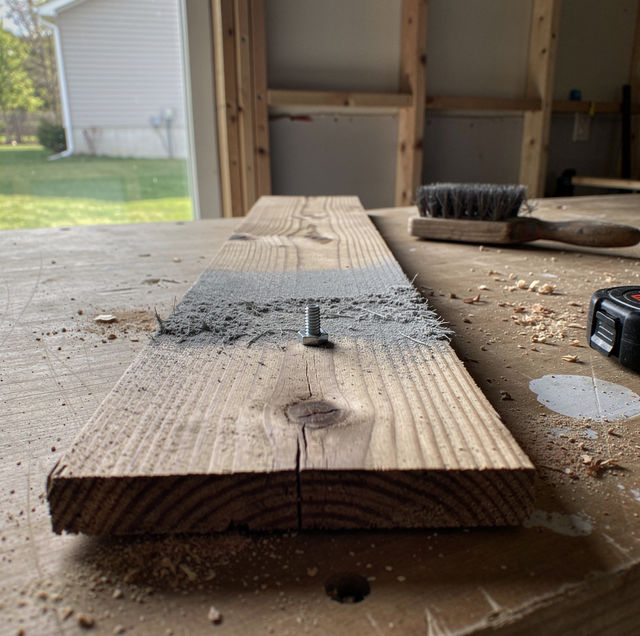
Run a hand across an old deck board, and you can usually tell within a second whether soap and water will fix it. Smooth but dull means it's dirty. Rough, fuzzy, or slightly splintery under your palm means the wood itself has started breaking down, and no amount of scrubbing brings that back. Knowing which one you're dealing with is the difference between a quick refresh and a full restoration.
What Actually Turns Wood Gray
Fresh cedar or pressure-treated pine has a warm tone because of lignin, the natural compound that binds wood fibers together. Sunlight, specifically UV radiation, breaks lignin down at the surface over months of exposure, and the wood fibers that are left behind reflect light differently, which is what reads to your eye as gray. This process is chemical, not dirt sitting on top, so pressure washing alone can knock loose surface grime but won't restore the color underneath.
Moisture speeds the same process along a second path. Shaded deck boards, especially those under a roof overhang or near dense landscaping, stay damp longer after rain and dew, which gives mold and mildew spores a foothold. Those organisms feed on the wood surface and leave the blotchy black or green staining that's common on north-facing decks and the tops of fence rails that don't get much direct sun.
Reading the Difference Between Dirty and Deteriorating
| What you see or feel | Likely cause | What it means |
|---|---|---|
| Gray color, but surface still feels smooth | UV breakdown of lignin, minimal fiber damage | Cleaning and a brightening treatment can restore color |
| Rough or fuzzy texture underfoot | Wood fibers have started to lift and separate | Needs sanding or scraping before any finish is applied |
| Black or green blotches, especially in shaded spots | Mold or mildew colonizing the surface | Needs an appropriate cleaning solution, not just a rinse |
| Small vertical cracks along the board (checking) | Repeated wet-dry cycles stressing the wood grain | Cosmetic if shallow; structural concern if deep or widespread |
| Soft or spongy spots, especially near ground contact | Rot has set into the wood fiber | Have a carpenter replace the board before any cleaning or coating goes on; cleaning won't help |
| Nails or screws backing out slightly | Wood swelling and shrinking with moisture cycles has loosened the fastener | Worth having a carpenter re-set before finishing, or they'll telegraph through a new coat |
Why Fences Show Wear Differently Than Decks
A fence takes weather from every direction, but not evenly. The side facing prevailing wind and rain absorbs more moisture over the years, while the sheltered side often stays drier and holds its finish longer. Post tops and the end grain of rails are usually the first parts to fail, because end grain is far more porous than the flat face of a board, soaking up water like a straw rather than shedding it. That's why fence posts often show rot or softness at the top edge well before the pickets show any problem at all.
What Cleaning Can and Can't Fix
A soft wash or a properly dialed-in pressure wash removes surface dirt, algae, and mildew, and it can lift a surprising amount of the grayed layer if the wood underneath is still sound. For deeper discoloration, a wood brightening treatment (often an oxalic acid-based solution) neutralizes the tannins and mineral staining that plain washing leaves behind, restoring a more even tone before any stain or sealant is applied. What cleaning cannot do is rebuild wood fiber that's already lifted, cracked, or gone soft. If a board fails the hand-feel test, cleaning is step one of a restoration, not the whole job.
The Restoration Sequence, and Why the Order Matters
Restoring a deck or fence generally follows a specific order for a reason. Cleaning comes first to remove biological growth and loose debris, since sealing over active mold traps it against the wood rather than removing it. Sanding or light scraping follows on any rough or fuzzy sections, smoothing the fiber so that a new stain penetrates evenly rather than sitting unevenly on raised grain. Only after the wood is clean, dry, and smooth does a stain or sealant go on, and dry time matters here: wood needs to read as fully dry, not just surface-dry, or the finish can trap moisture underneath and fail within a season.
Hardware and Structure Deserve the Same Attention as the Boards
It's easy to focus entirely on the wood surface and overlook the metal holding it together. Deck ledger boards, the pieces that bolt the deck frame to the house, rely on flashing to keep water from tracking behind the siding and into the house's framing, and care is taken not to gouge or dislodge the flashing during a cleaning or coating pass. Joist hangers and structural screws underneath a deck are worth a visual inspection, too: they're usually galvanized, but galvanization wears thin over years of exposure to standing water, and rust on a hanger can be a sign the connection is weaker than it looks at first glance. That's the kind of thing worth pointing out to a carpenter or contractor rather than assuming a fresh coat of finish will cover for it. Fence posts set in concrete footings face a related issue: if the footing has cracked or settled, the post above it may look restorable at the surface while the actual support underneath has shifted. If a post rocks or feels loose at the base, it's worth having a contractor take a look before restoration work proceeds, since refinishing a post that's structurally compromised doesn't fix what's underneath.
Signs It's Restoration Time, Not Just Cleaning Time
A few patterns tend to show up together when a deck or fence has crossed from "needs a wash" into "needs restoration." Water that no longer beads on the surface and instead soaks in within seconds means the old sealant has worn through and the wood is absorbing moisture directly. Widespread graying across the whole structure, rather than just the sun-exposed top rail, suggests the finish failed some time ago. And any section where you can press a thumbnail into the wood and leave a mark is past the point where cleaning alone will help.
What a Restoration Estimate Actually Involves
A proper restoration visit starts with the same hand-feel and moisture checks described above, board by board rather than a quick walk-through, since gray color alone doesn't tell the whole story. Each board is tested for softness, and any section that fails is noted and flagged before cleaning or coating is applied to it, since finishing over compromised wood just hides the problem rather than solving it. Fasteners that are visibly backing out or corroded get flagged the same way, since a loose screw under a new coat of stain will eventually work its way back to the surface and telegraph through the finish, though re-setting or replacing them is carpentry work that falls outside a wash-and-coat estimate and gets referred out. Railings and stair stringers get a separate look, since they experience different stresses (lateral forces from hands and body weight) than the flat deck boards do, and they tend to show wear at the joints first rather than across the whole surface. The end result of that walk-through is a plan that separates what can be cleaned, what needs sanding, what should go to a carpenter for fastener or board repair first, and what's ready for a fresh coat, rather than treating the whole structure as a single uniform job.
Frequently Asked Questions
Most exterior stains hold up for one to three seasons depending on sun exposure and foot traffic, with south- and west-facing sections wearing out first since they take the most direct UV exposure.
Yes, aggressive pressure aimed directly at softwood, especially pressure-treated pine, can gouge the surface fibers and etch grooves into the board, which is why lower-pressure soft-wash methods are generally preferred for wood.
Cleaning often reveals the true condition of the wood once surface grime and algae are gone, so gray, rough, or uneven patches that were masked by dirt become visible for the first time; that's the wood showing its real state, not new damage.
Yes, cedar and redwood contain natural oils that resist decay longer than pressure-treated pine, so a cedar fence may go two or three years between restorations while a pine fence in the same yard needs attention sooner.
That's typically mold that has worked into the grain itself rather than just sitting on the surface, which is why a light surface wipe often doesn't remove it while a proper cleaning solution formulated to reach into the grain does.
Shallow checking is a normal, cosmetic response to repeated wet-dry cycles and isn't a structural concern, but cracks running deep enough to catch a fingernail or that connect across multiple growth rings should be evaluated before refinishing over them.
Wood tells you what it needs if you know what to look for: gray doesn't always mean dirty, and clean doesn't always mean restored. Catching the difference before the first coat goes on is what keeps a restoration from turning into a redo a year later.
Book a deck and fence assessment — find out whether your wood needs a wash or a full restoration. Superior Power Washing serves Waldorf, La Plata, and Clinton. Call (240) 901-4252.
